The History of Liberty Village
Liberty Village's transformation from an industrial district to one of Toronto's most vibrant residential neighbourhoods is one of the city's most dramatic urban stories. Understanding this history explains the neighbourhood's character, architecture, and ongoing growing pains.
Industrial Origins (1800s-1950s)
The area that would become Liberty Village was originally part of the military reserve surrounding Fort York, established by the British in the late 1700s. As Toronto grew, the land was released for industrial use in the mid-1800s. Factories, warehouses, and manufacturing plants sprung up, taking advantage of the railway lines that ran through the area.
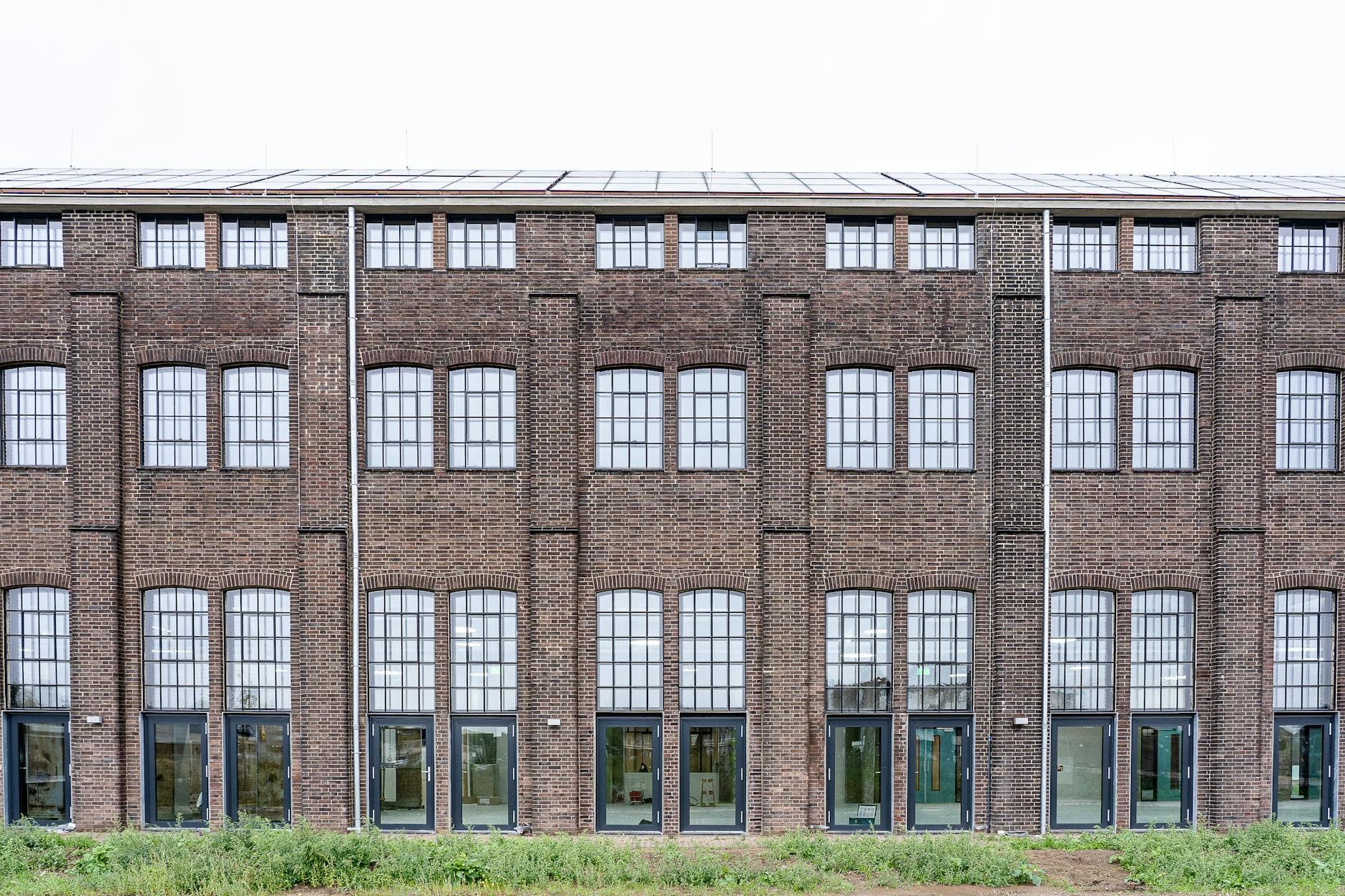
By the early 1900s, the district was a busy industrial zone. Companies manufactured everything from machinery to textiles. The grid of streets — Liberty Street, Atlantic Avenue, Fraser Avenue, Hanna Avenue, Mowat Avenue — were designed to serve factory traffic. The brick and beam buildings that survive today date from this era and give the neighbourhood its distinctive architectural character.
Decline and Abandonment (1960s-1990s)
Like many North American industrial districts, the area went through decades of decline starting in the 1960s. Manufacturing moved to suburban locations with cheaper land and better highway access. Factories closed, buildings emptied, and the district became largely abandoned. By the 1980s and 1990s, the area was known more for vacant lots and empty warehouses than productive industry.
During this period, artists, musicians, and small creative businesses began moving into the cheap industrial spaces. Studios, galleries, and live-work spaces occupied former factories, creating an underground creative community that laid the groundwork for the neighbourhood's later transformation.
The Condo Boom (2000s-Present)
The transformation of Liberty Village into a residential neighbourhood began in earnest around 2000 when the City of Toronto rezoned the area for mixed-use development. The timing coincided with Toronto's condo boom, and developers quickly recognized the potential of the centrally located land.
The first wave of condo towers went up between 2003 and 2010, rapidly changing the neighbourhood's character. What had been a quiet industrial backwater suddenly had thousands of young professionals moving in. The population exploded from a few hundred to over 10,000 in less than a decade.
Infrastructure did not keep pace with development. Roads designed for factory trucks were not adequate for residential traffic. The limited entry and exit points that did not matter for a low-density industrial area became serious bottlenecks for a dense residential neighbourhood. These traffic problems persist today.
Heritage Preservation
One of Liberty Village's strengths is that developers preserved many of the original industrial buildings rather than demolishing them entirely. The Liberty Market Building, originally a carpet factory, was converted into a mixed-use retail and food hub. The Toy Factory Lofts on Atlantic Avenue converted a former toy manufacturer into residential lofts. Carpet Factory Lofts on Mowat Avenue similarly repurposed industrial heritage.
These conversions preserved the neighbourhood's visual character — exposed brick, heavy timber beams, large windows, and high ceilings. The contrast between heritage industrial buildings and modern glass-and-steel condo towers is one of Liberty Village's defining aesthetic features.
The Naming
The name Liberty Village itself is relatively recent, coined during the redevelopment era. It derives from Liberty Street, which runs through the area. The name stuck and was adopted by the Business Improvement Area (BIA) established to promote the neighbourhood. Some longtime Torontonians still refer to the area by its older names or simply as part of the King West corridor.
Modern Challenges
Liberty Village today faces challenges that stem directly from its rapid transformation. Traffic congestion, limited green space relative to population, the absence of a subway connection, and the high cost of living are ongoing issues. The neighbourhood also grapples with identity — balancing its industrial heritage and creative roots with the reality of being a high-density condo community.
Community organizations like the Liberty Village Residents Association (LVRA) and the Liberty Village BIA work to address these challenges and preserve the neighbourhood's character. The community is engaged and vocal about development, infrastructure, and quality of life issues.
Looking Forward
Liberty Village continues to evolve. New developments are still being built, and the neighbourhood's commercial mix continues to shift. The potential Ontario Line transit project could bring rapid transit closer to the area. The challenge going forward is ensuring that growth is matched by infrastructure improvements and that the neighbourhood retains the community feel that makes it more than just another condo cluster.